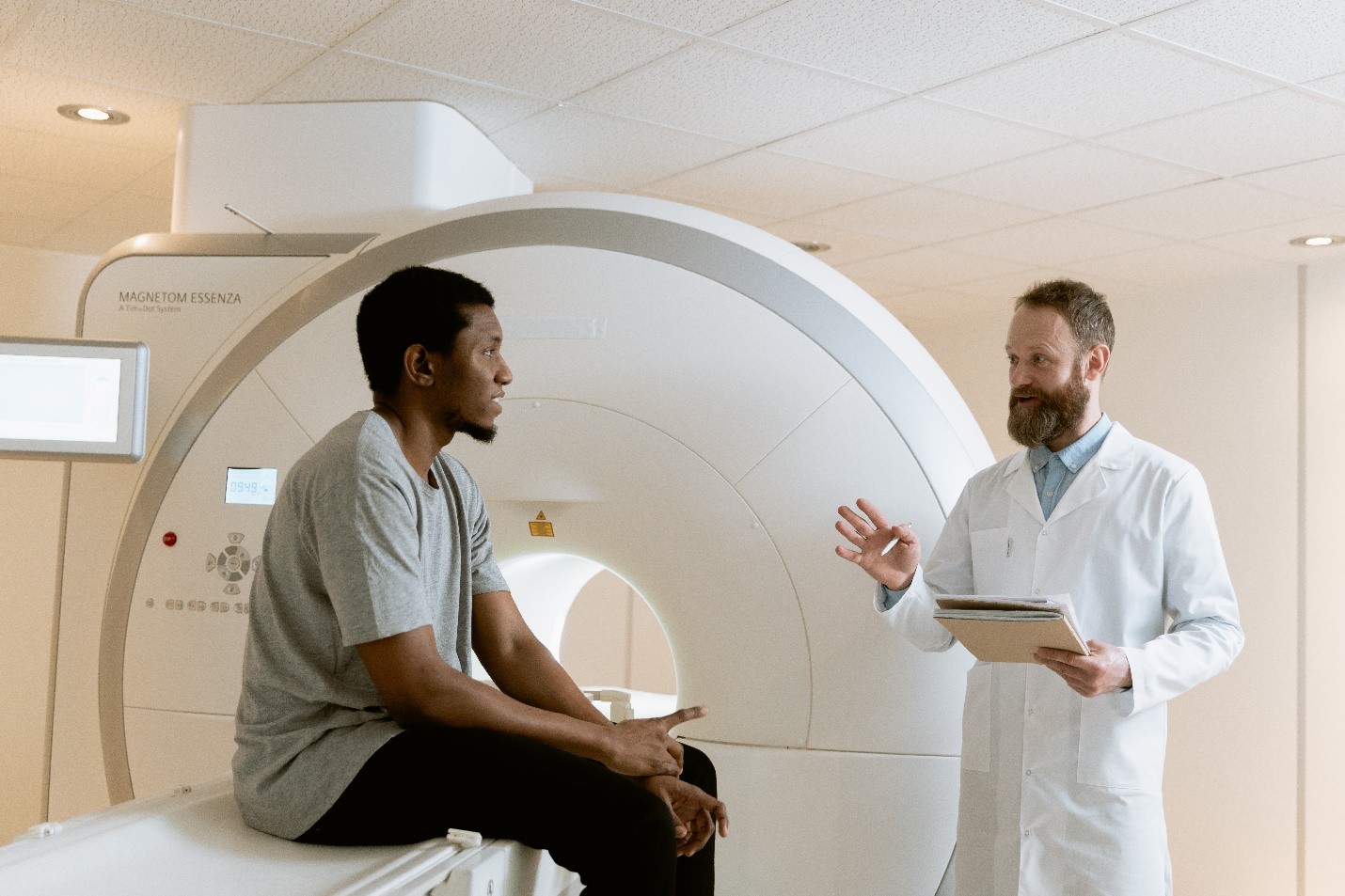
It’s well documented that many patients experience anxiety and claustrophobia when undergoing an MRI procedure. But how big of a problem is anxiety and claustrophobia for patients needing an MRI?
One study found that between 2 and 2.5% of patients scheduled for an MRI suffer from claustrophobia. That percentage may not sound like a lot, but the severity of claustrophobia can have an outsized impact ranging from delayed procedures to aborted scans. That same study found that 2,000,000 MRI procedures worldwide went uncompleted due to patients experiencing severe claustrophobia.
Another study found that
37% of patients experienced anxiety during an MRI, with nearly half of patients citing noise and/or confinement as the most unpleasant feature of the MRI. You’ll notice that number – over a third of patients – is far higher than the rate of people who suffer from claustrophobia (
estimated between 5-7% worldwide). The difference between those numbers – at least 30 points – shows that MRI scans create significant feelings of discomfort in a large part of the population.
This discomfort can create problems for imaging centers that extend beyond difficulties getting some patients in the door. Data for the failure to complete MRIs due to patient anxiety ranges between 0.5% and 14.5%.
There are also rescans to consider. In fact,
rescans are the biggest factor of MRI scanner downtime – and it’s estimated that between 10-15% of scans need to be redone due to movement. That movement is most often an expression of discomfort relating to anxiety, noise, and claustrophobia.
Creating a better MRI experience
Providing distraction and reducing noise are two of the best ways to alleviate feelings of fear, claustrophobia, and anxiety during an MRI procedure. Noise-canceling headphones can help, but they’re typically bulky and only address one issue: loud noise. Music, on the other hand, can provide patients with a welcome distraction – but to hear it over the machine can create unsafe volumes, especially for a prolonged period of time.
The ideal is somewhere in the middle.
MRIaudio’s Premium Sound System combines sound-masking technology with high-fidelity audio to protect patients’ hearing while reducing feelings of anxiety and claustrophobia. The end result is happier, calmer patients which leads to more efficient imaging and fewer aborted scans.
How it works
Patients – kids and adults – choose the music they want to listen to before undergoing the procedure. The technician picks a station – our system is compatible with popular music streaming services including Pandora, Spotify, iHeartRadio, TuneIn, and YouTube Music – and adjusts the volume. It’s that easy. If you can work an iPad, you can work our Premium Sound System. There’s nothing complicated to get in the way of running the MRI scanner.
Our audio solutions also provide MRI technologists with a direct patient line of communication. The system creates no ambient noise or distractions for technicians and does not produce any artifacts. This means less maintenance downtime for your MRI scanners.
Our Premium Sound System works so well that some patients may not need to be sedated (who otherwise would be).
Final thoughts
MRIadudio’s sound solutions help create an MRI experience that’s safer and more comfortable for patients and is easy for technicians to use. For imaging centers, the results have often reduced the need for patient sedation, rescans, and scanner downtime.
Ready to learn more? Check out our full product line in the navigation above or
schedule a demo.