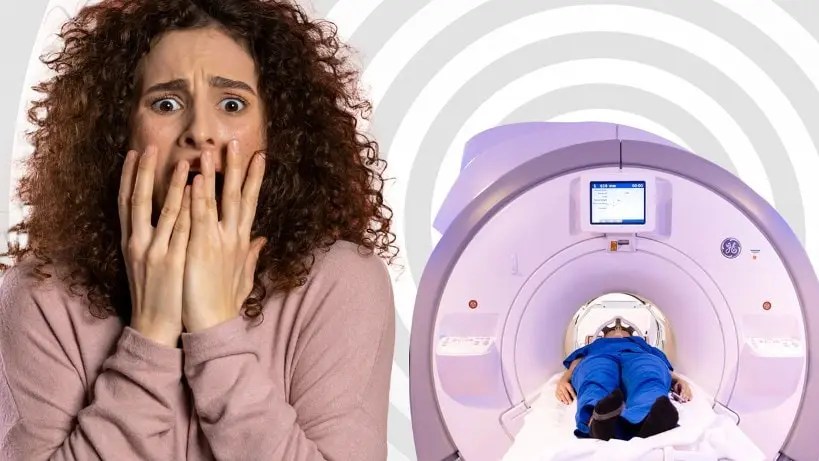
If you’re one of the millions of people who dreads getting an MRI scan,
because of MRI Anxiety, you’re definitely not alone. But there are things you can do to help reduce your anxiety and make the experience a little bit easier. In this post, we’ll share some tips on how to reduce anxiety for an MRI scan, how to prepare for your imaging exams, and how to stay calm during the procedure. We hope these tips will help make your experience a bit less stressful!
First, Learn How Anxiety can Interfere with MRI Exam Results
Anxiety is a common human emotion characterized by feelings of fear, worry, and insecurity. When faced with a potentially threatening situation, the body’s natural response is to release stress hormones like adrenaline and cortisol. These hormones can cause a variety of physical reactions, including an increased heart rate, rapid breathing, and sweating.
While these reactions can be helpful in a dangerous situation, they can also interfere with an MRI scan. The strong emotions and physical arousal associated with anxiety can make it difficult to stay still during the exam, resulting in blurry or incomplete images.
In addition, the stress hormones can affect the way the brain processes information, making it more difficult to interpret the results of the detailed images. As a result, anxiety can potentially have a significant impact on both the quality of an MRI scan and the accuracy of its results.
While MRI anxiety is common, it doesn’t have to prevent you from getting medical answer you need. Here are the best ways you can reduce anxiety during your MRI scan.
Here are the best ways to reduce anxiety for your upcoming MRI exam:
1. Understand why MRI scans are loud
MRI stands for magnetic resonance imaging and is a non-invasive diagnostic tool.
MRI machines (Magnetic Resonance Imaging) use strong magnets and radio waves to create detailed images of the inside of the body. The magnets are so powerful that they can cause metallic objects to move towards them. This is why people are asked to remove all metal items, such as jewelry and other metal objects, before having an MRI scan—to prevent interference with the MRI machine’s magnets and ensure safety.
The MRI procedure typically takes place inside a tube-shaped machine. The typical bore diameter of standard MRI scanners is about 60 cm (23.6 in), though many modern wide-bore systems now feature a larger 70 cm (27.6 in) opening to improve comfort. Traditional closed-bore scanners can create anxiety for some patients due to the confined spaces and loud noise during the scan. Modern MRI machines are designed to improve comfort for patients with a fear of confined spaces, often featuring open or wide-bore designs, better lighting, and ventilation.
The loud noise that MRI machines make is caused by the magnetic fields and the radio waves. When the MRI machine is turned on, you can hear loud clicking sounds from its coils as they expand and contract due to electric currents being sent through them. The MRI machine produces loud noises during the scan, which can be startling for patients.
Additionally, if a contrast agent is used during the scan, some patients may experience a metallic taste as a temporary side effect.
2. Talk with Your Doctor & MRI Technologist About Your MRI Anxiety
If you are scheduled for an MRI, it’s important to ask your referring doctor what you can expect during the procedure. The doctor should be able to give you a step-by-step account of the MRI experience, from start to finish. Receiving clear instructions about the MRI procedure, including what will happen and how to control your breathing or movement, can help ease anxiety by making the process more predictable. Patient anxiety is common, and many patients experience moderate to severe anxiety before undergoing an MRI exam. Understanding the procedure and what to expect can significantly reduce MRI anxiety and help patients feel more comfortable during the scan.
MRI-related claustrophobia affects roughly 10-12.5% of patients. This will help to ensure that you are prepared for the procedure and that you
know what to expect. In addition, your doctor may be able to answer any questions or concerns you may have to prepare for an MRI.
On the day of your appointment at the imaging center, the MRI technologist will explain exactly
how the MRI machine works and what the scan will be like. Clear instructions from the technologist about each step, including the sounds you will soon hear and the type of equipment that will be used, can help you feel more prepared and less anxious. By becoming familiar with the machine and how it works, your stress will subside.
Don’t hesitate to ask any questions; the staff is dedicated to providing you with the best possible patient-centered care.
Before your MRI, be sure to communicate any concerns or past experiences with anxiety to your healthcare provider so they can help you prepare and support you during the procedure.
3. Bring a friend or family member with you to the scan for support
Bringing someone you trust to your MRI appointment can provide emotional support and comfort. While companions may not always be allowed in the MRI suite during the scan itself, having someone accompany you to the facility and be there before and after can help reduce anxiety and make the experience feel less isolating.
4. Distract yourself from the noise and claustrophobic environment by focusing on your breath
There is a simple form of meditation that will help reduce hyperventilating, panic attacks, or PTSD symptoms. By focusing on your breathing, even counting each breath, you can use this as a distraction technique during the MRI. Practicing deep breathing exercises before and during the scan can help calm your nerves. Try inhaling through your nose and exhaling through your mouth. Close your eyes—using a sleep mask can help block out the confined space and further reduce anxiety—and go to that happy place. Focusing on breathing or meditation can help reduce anxiety during the MRI, and some patients find these techniques so effective that they can even fall asleep during the scan.
Practice deep breathing and relaxation techniques before your appointment.
5. Visualize a calm and peaceful place in your mind
It may sound cliché, but picturing yourself on a beach relaxing in the sun or anywhere your imagination takes you can be very soothing.
Avoid imagining loud or stressful environments. Instead, think of tranquil places that bring you joy and peace. Perhaps relive a vacation or an adventure with family and friends. Just let your mind wander!
Also, try closing your eyes during meditation. You can’t be scared of what you can’t see. Bringing a sleeping mask or placing a cloth over your eyes before the scan begins can help enhance this effect.
6. Wear Loose & Comfortable Clothing
Unless you are required to wear a hospital gown, wear comfortable clothes like sweats or yoga pants. Avoid any clothing with metal parts such as zippers, buttons, or rivets, as these can distort the scan. Jewelry, piercings, keys, or coins must also be removed before the MRI.
7. Ask your doctor if they can provide noise-canceling headphones and music or video entertainment for the scan
Distract yourself from the noise and confined space by focusing on your favorite music or relaxing sounds. Many patients find it helpful to listen to music as a distraction technique during the scan. MRI machines can be as loud as a jet plane or rock concert, which can increase anxiety.
Many imaging centers provide noise-canceling headphones to help create a comfortable environment. These headphones reduce the loud noises and allow you to listen to calming music, podcasts, or talk radio during the scan. You can usually select your preferred audio before the procedure starts.
Some advanced MRI facilities also offer integrated audio and video systems, such as
MRIaudio’s innovative platform, which allows patients to choose from a wide range of relaxing videos, music, movies, or TV shows during their scan. Modern MRI machines, such as the Ambition 1.5T, feature a ‘virtually open’ design with ambient lighting and audio options to enhance patient comfort. Wide bore MRI machines are also available; they are larger and can provide a more comfortable experience for patients who are claustrophobic. This personalized entertainment, combined with features like ambient lighting, helps divert attention away from the confined space and loud noises, enhancing patient comfort and contributing to a more relaxed MRI experience.
8. Communicate with your MRI technologist during your scan
At most MRI facilities you will be able to talk with the technologist during the scan. If you feel uncomfortable at any point, let them know immediately. Open communication helps relieve anxiety and ensures your comfort throughout the MRI experience. The technologist is focused on patient comfort and needs you to relax and stay still for clear, high-quality images.
9. Patient Comfort Alert System
Most MRI facilities also offer a squeeze bulb alarm or call button to alert the MRI technologists if you feel uncomfortable during your scan. Having control over the alert system helps empower patients by giving them a sense of autonomy and involvement during the procedure. Simply knowing you can instantly alert the technologist at any time can help reduce anxiety. With the right support and techniques, around 80% of anxious patients can successfully complete their scans.
Additionally, some facilities monitor your vital signs in real time during the MRI. This tracking helps patients feel more in control and reassures them throughout the procedure.
10. Ask for pillows, blankets, and comfort pads
MRI suites can be cold because the machines require cooling. A warm blanket can keep you cozy, and pillows are available to support your head and body. Patients can request comfort items such as a warm blanket for security during the scan. Additionally, many facilities offer
comfort pads or cushions to provide extra support and alleviate pressure points, reducing discomfort. Using pillows and cushions to support the patient’s body can minimize discomfort and help them remain still during the MRI exam. Cushioned knee wedges and pads can help reduce pressure points and improve blood flow, enhancing your comfort and helping you remain still for clear images.
11. Avoid caffeine and alcohol before your appointment
Both caffeine and alcohol can increase anxiety. Caffeine is a stimulant that can raise adrenaline levels, while alcohol can interfere with your brain’s ability to regulate emotions. Avoid these substances before your MRI to help keep your nerves calm.
12. Talk to your doctor about medications that can help reduce anxiety during MRI scans
If you have
severe claustrophobia or experience severe anxiety, a mild sedative might be beneficial. These medications won’t put you to sleep but will help you relax enough to complete the scan. In rare or extreme cases, intravenous (IV) sedation is an option, but it requires medical supervision. Always consult your doctor for the appropriate medication and timing.
When managing mri claustrophobia, consider that patients with claustrophobia may benefit from open MRI scanners or shorter-bore machines. Short-bore MRIs are less deep than traditional machines and are better for anxious individuals.
Panic Attack Prevention: What to Do if You Feel Overwhelmed
If you start to feel overwhelmed during your MRI, remember you are not alone. Many patients experience similar feelings. Let your MRI technologist know how you feel—they can pause the scan if needed to ensure your comfort.
Try focusing on deep breathing exercises: inhale slowly through your nose, hold for a few seconds, and exhale gently through your mouth. Guided imagery, where you visualize a peaceful place, can also help shift your focus away from the MRI experience.
Listening to calming music or nature sounds through headphones can further create a soothing environment and distract you from the loud noises of the MRI machine. Your comfort and well-being are the top priorities, and the MRI technologists are there to support you every step of the way.
Empowering Yourself: Taking Control of Your MRI Experience
Feeling empowered during your MRI scan can significantly reduce anxiety and make the procedure more manageable. Creating a calming environment in the MRI suite, with soothing lighting and tranquil surroundings, can help reduce anxiety and make the experience more comfortable. Start by gathering knowledge about the MRI exam—ask your healthcare professional to explain the process, the machine, and what sensations you might experience. Understanding the purpose of the MRI, such as diagnosing or monitoring health issues, can help you feel more at ease and reduce stress. Patient satisfaction is a key outcome of improving patient comfort during MRI procedures.
Consider bringing a trusted friend or family member to your MRI appointment for emotional support, if the facility allows. Their presence can reassure you and help you stay calm before and after the scan.
During mri tests, use mindfulness techniques such as focusing on your breath or repeating a calming phrase. These mental strategies and relaxation techniques can help you stay relaxed and in control, even in the tube-shaped machine.
Don’t hesitate to communicate your needs to the MRI technologist—whether you need a blanket, a pause in the scan, or a quick check-in. Your feedback is important, and the staff is there to ensure your patient experience is as stress-free as possible. By taking an active role in your care, asking questions, and advocating for your comfort, you can significantly reduce anxiety and make your MRI experience a positive one.
Frequently Asked Questions (FAQs) About MRI Claustrophobia and Anxiety
What causes claustrophobia during an MRI scan?
Claustrophobia during an MRI is commonly caused by the confined space of the scanner, loud acoustic noise, limited movement, and fear of the unknown. Anxiety may increase if patients are unsure how long the exam will take or feel they cannot communicate during the scan.
How common is anxiety during an MRI?
Anxiety during MRI scans is very common. Many patients experience mild to moderate anxiety, while others experience claustrophobia or panic symptoms, particularly during first-time or longer MRI exams.
What can patients do to stay calm during an MRI?
Patients can reduce MRI anxiety by practicing slow, controlled breathing, keeping their eyes closed, listening to music, focusing on calming imagery, and remembering they can speak with the technologist at any time.
How do MRI technologists help anxious or claustrophobic patients?
MRI technologists help by explaining the exam clearly beforehand, maintaining communication during the scan, offering comfort accessories, using audio systems for music or guidance, and adjusting workflows to minimize scan time when possible.
Does listening to music help reduce MRI anxiety?
Yes. Listening to music during an MRI can significantly reduce anxiety by masking scanner noise, providing distraction, and helping patients remain relaxed and still during the exam.
Are there alternatives to sedation for MRI anxiety?
Yes. Many patients complete MRI exams without sedation using non-pharmacological approaches such as education, reassurance, breathing techniques, music, audiovisual systems, and comfort-focused positioning.
What should patients tell the technologist before an MRI if they are claustrophobic?
Patients should tell the technologist if they feel anxious, claustrophobic, or have had difficulty completing an MRI in the past. This allows the technologist to adjust communication, positioning, and comfort strategies before the scan begins.
Can MRI anxiety affect scan quality?
Yes. Anxiety can cause patient movement, shallow breathing, or early exam termination, which may lead to motion artifacts, repeat scans, or incomplete diagnostic studies.
How long does MRI-related anxiety usually last?
MRI-related anxiety often peaks before or at the start of the scan and typically decreases once patients understand the process and realize they can communicate throughout the exam.
What can imaging centers do to reduce MRI anxiety overall?
Imaging centers can reduce MRI anxiety by improving patient education, training staff in patient-centered communication, investing in comfort-enhancing technology, and creating calm, supportive MRI environments.
If you have more questions or concerns about your MRI experience, don’t hesitate to discuss them with your healthcare provider or MRI technologist. They are there to support you and ensure your comfort throughout the process.